Ongoing developments in our research laboratories

Adamax — 10 mg

  • Class/structure: Proprietary/experimental peptide blend (limited public sequence data).
  • Mechanism: Reported neuromodulatory and metabolic signaling effects; mechanisms not well characterized in peer-reviewed literature.
  • Context: Early/preclinical or anecdotal research use.

AOD-9604 (hGH 176–191 fragment)— 5 mg

  • Structure: C-terminal fragment of human growth hormone.
  • Mechanism: Activates lipolysis and inhibits lipogenesis, likely via β3-adrenergic pathways and hormone-sensitive lipase, without classical GH receptor–mediated anabolic effects.
  • Context: Studied for obesity/metabolic modulation.

ARA 290 (Cibinetide) — 16 mg

  • Structure: 11-aa peptide derived from erythropoietin helix B.
  • Mechanism: Selectively activates the EPOR/CD131 “tissue-protective receptor,” driving anti-inflammatory and cytoprotective signaling (JAK2/STAT, PI3K/Akt).
  • Context: Neuropathy, ischemia-reperfusion injury.

🌟BPC-157 — 10 mg — 25 mg

  • Structure: 15-aa gastric pentadecapeptide.
  • Mechanism: Promotes angiogenesis (VEGF modulation), nitric oxide signaling, and fibroblast migration; influences FAK-paxillin pathways.
  • Context: Tendon/ligament and GI healing models.

Cagrilintide 10 mg—12.5 mg

  • Structure: Long-acting amylin analogue.
  • Mechanism: Agonism at amylin/calcitonin receptors → delayed gastric emptying, increased satiety, central appetite regulation.
  • Context: Metabolic disease/weight regulation.

Cardiogen — 25 mg

  • Structure: Short peptide complex (sequence not standardized publicly).
  • Mechanism: Proposed gene expression modulation in cardiomyocytes; limited validated mechanistic data.
  • Context: Niche/low-evidence cardiotropic claims.

CJC-1295 (no DAC) — 10 mg

  • Structure: GHRH(1–29) analogue.
  • Mechanism: Binds GHRH receptor → pulsatile GH release via cAMP/PKA signaling.
  • Context: Short half-life GH secretagogue.

CJC-1295 DAC — 12.5 mg

  • Structure: GHRH analogue with Drug Affinity Complex (albumin binding).
  • Mechanism: Prolonged GHRH receptor activation → sustained GH/IGF-1 elevation.
  • Context: Long-acting GH axis modulation.

DSIP (Delta Sleep-Inducing Peptide) 5 mg

  • Structure: Nonapeptide.
  • Mechanism: Proposed modulation of thalamic/hypothalamic circuits and neuroendocrine axes; inconsistent reproducibility.
  • Context: Sleep and stress research.

Epithalon (Epitalon) 10 mg

  • Structure: Tetrapeptide Ala-Glu-Asp-Gly.
  • Mechanism: Reported telomerase activation, antioxidant effects, and circadian regulation via pineal signaling.
  • Context: Aging/gerontology models.

FOXO4-DRI — 15 mg

  • Structure: D-retro-inverso peptide targeting FOXO4–p53 interaction.
  • Mechanism: Disrupts FOXO4–p53 binding in senescent cells → p53 nuclear exclusion/apoptosis of senescent cells (senolytic).
  • Context: Aging/senescence clearance studies.

🌟GHK-Cu — 50 mg — 100 mg

  • Structure: Tripeptide Gly-His-Lys chelating Cu²⁺.
  • Mechanism: Regulates gene expression for ECM remodeling, collagen synthesis, angiogenesis; anti-inflammatory.
  • Context: Skin repair, wound healing.

Hexarelin — 5 mg

  • Structure: Synthetic hexapeptide (GHRP class).
  • Mechanism: Ghrelin receptor (GHS-R1a) agonist → GH release; also cardioprotective signaling (MAPK/PI3K).
  • Context: GH secretagogue research.

IGF-1 LR3 — 400 mcg
— 1.5 mg

  • Structure: IGF-1 analogue with Arg³ substitution and 13-aa extension.
  • Mechanism: Reduced IGFBP binding → increased bioavailability; activates IGF-1R → PI3K/Akt and MAPK pathways (anabolic, mitogenic).
  • Context: Cell growth/proliferation models.

Kisspeptin 10 mg

  • Structure: Decapeptide fragment of kisspeptin.
  • Mechanism: Agonist at KISS1R → stimulates GnRH neurons → LH/FSH release.
  • Context: Reproductive endocrinology.

KPV (Lys-Pro-Val) 12.5 mg

  • Structure: Tripeptide derived from α-MSH.
  • Mechanism: Anti-inflammatory via NF-κB inhibition and cytokine downregulation.
  • Context: Dermatologic and GI inflammation models.

LL-37 — 4 mg

  • Structure: Human cathelicidin antimicrobial peptide (37 aa).
  • Mechanism: Disrupts microbial membranes; immunomodulatory (chemotaxis, cytokines).
  • Context: Host defense, wound healing.

Melanotan I (afamelanotide analogue) — 10 mg

  • Structure: α-MSH analogue.
  • Mechanism: MC1R agonism → increased eumelanin synthesis.
  • Context: Pigmentation disorders, photoprotection.

🌟MOTS-c 10 mg — 30 mg

  • Structure: 16-aa peptide encoded by mitochondrial 12S rRNA.
  • Mechanism: Regulates metabolic homeostasis via AMPK activation and nuclear gene expression under stress.
  • Context: Metabolism/aging.

N-Acetyl Selank Amidate — 12.5 mg

  • Structure: Modified Selank (heptapeptide) with N-acetylation and C-terminal amidation.
  • Mechanism: Modulates GABAergic signaling and BDNF; increased stability vs. parent peptide.
  • Context: Anxiolytic/nootropic research.

N-Acetyl Semax Amidate — 30 mg

  • Structure: Modified Semax (ACTH 4–10 analogue) with acetylation/amidation.
  • Mechanism: Enhances BDNF/TrkB signaling, dopaminergic modulation; neuroprotective.
  • Context: Cognitive and ischemic models.

🌟NAD+ Buffered — 500 mg — 1 g

  • Structure: Nicotinamide adenine dinucleotide with stabilizing buffers.
  • Mechanism: Central redox cofactor; substrate for sirtuins and PARPs; supports mitochondrial function.
  • Context: Cellular energetics/aging.

P21 (P021) — 10 mg

  • Structure: Peptide derived from CNTF region.
  • Mechanism: Enhances neurogenesis and synaptic plasticity; modulates GSK-3β and BDNF pathways.
  • Context: Neurodegeneration models.

PE 22-28— 8 mg

  • Structure: Heptapeptide fragment of spadin (from sortilin/pro-BDNF pathway).
  • Mechanism: TREK-1 potassium channel inhibition → antidepressant-like signaling.
  • Context: Mood disorder research.

Pinealon — 20 mg

  • Structure: Tripeptide Glu-Asp-Arg.
  • Mechanism: Proposed epigenetic/gene expression modulation in neurons; limited high-quality data.
  • Context: Neuroprotective claims.

PT-141 — 12 mg

  • Structure: Cyclic heptapeptide melanocortin analogue.
  • Mechanism: MC3R/MC4R agonism in CNS → modulation of sexual arousal pathways.
  • Context: Neuroendocrine/sexual function.

Selank — 5 mg

  • Structure: Heptapeptide (Tuftsin analogue).
  • Mechanism: GABAergic modulation, enkephalinase inhibition, BDNF effects; anxiolytic profile in studies.
  • Context: Stress/anxiety research.

Semax — 30 mg

  • Structure: ACTH(4–10) analogue.
  • Mechanism: Increases BDNF, modulates monoamines; neuroprotective in ischemia models.
  • Context: Cognitive/neurologic research.

Sermorelin — 5 mg

  • Structure: GHRH(1–29).
  • Mechanism: Stimulates pituitary GH release via GHRH receptor.
  • Context: GH axis evaluation.

Snap-8 (Acetyl Octapeptide-3) 20 mg

  • Structure: Octapeptide derived from SNAP-25 sequence.
  • Mechanism: Interferes with SNARE complex formation → reduced neurotransmitter release (cosmetic “anti-wrinkle” mechanism).
  • Context: Topical/cosmeceutical studies.

SS-31 (Elamipretide) 40 mg — 60 mg

  • Structure: Mitochondria-targeting tetrapeptide (D-Arg-dimethylTyr-Lys-Phe-NH₂).
  • Mechanism: Binds cardiolipin → stabilizes electron transport chain, reduces ROS, improves ATP production.
  • Context: Mitochondrial dysfunction, myopathy.

Survodutide — 6 mg

  • Structure: Dual agonist peptide.
  • Mechanism: GLP-1 and glucagon receptor co-agonism → energy expenditure, glycemic control, weight effects.
  • Context: Metabolic disease.

🌟TB-500 (Thymosin Beta-4) — 10 mg

  • Structure: 43-aa actin-binding peptide.
  • Mechanism: Sequesters G-actin, promotes cell migration, angiogenesis, and tissue repair.
  • Context: Regeneration/wound healing.

🌟TB-500 Fragment (17-23) —10 mg

  • Structure: Short fragment of thymosin β4.
  • Mechanism: Proposed to retain partial actin/repair signaling; reduced evidence vs. full peptide.
  • Context: Experimental.

Thymagen — 20 mg

  • Structure: Thymic peptide complex.
  • Mechanism: Proposed immunomodulation (T-cell function); limited standardized data.
  • Context: Low-evidence immune claims.

Thymosin Alpha-1 — 10 mg

  • Structure: 28-aa thymic peptide.
  • Mechanism: Enhances T-cell maturation, dendritic cell function; modulates Toll-like receptor signaling.
  • Context: Immunology/antiviral oncology adjunct research.

Thymulin — 10 mg

  • Structure: Nonapeptide thymic hormone (zinc-dependent).
  • Mechanism: Regulates T-cell differentiation and cytokine balance.
  • Context: Immune function studies.

Triple Agonist — 12 mg — 15 mg — 24 mg

  • Structure: Multi-agonist incretin peptide.
  • Mechanism: Concurrent agonism at GLP-1, GIP, and glucagon receptors → integrated effects on insulin secretion, satiety, and energy expenditure.
  • Context: Obesity/diabetes research.

VIP (Vasoactive Intestinal Peptide) 5 mg

Capture and analyze full experimental recordings, enhancing data accuracy for thorough research evaluations.

  • Structure: 28-aa neuropeptide.
  • Mechanism: VPAC1/VPAC2 receptor agonist → cAMP increase; vasodilation, bronchodilation, immunomodulation.
  • Context: Neuroimmune and pulmonary research.

🌟KLOW – KPV | GHK-Cu | TB-500 | BPC-157

Structure: Multi-peptide formulation combining KPV tripeptide, copper-binding tripeptide (GHK-Cu), thymosin beta-4 fragment (TB-500), and a synthetic gastric-derived pentadecapeptide (BPC-157).


Mechanism: Synergistic action across anti-inflammatory, tissue remodeling, and regenerative pathways. Includes inhibition of pro-inflammatory cytokine signaling (KPV), enhancement of collagen synthesis and antioxidant activity (GHK-Cu), stimulation of cell migration and angiogenesis (TB-500), and modulation of growth factors and nitric oxide signaling to support cytoprotection and vascular repair (BPC-157).


Context: Investigational regenerative peptide blend used in research settings focused on inflammation control, musculoskeletal recovery, soft tissue repair, and gastrointestinal protection.

Formula: Premium 4-peptide blend: KPV | GHK-Cu | TB-500 | BPC-157 | Form: Blue lyophilized powder | Purity: ≥99% | Storage: 2-8°C

🌟 GLOW GHK-Cu | TB-500 | BPC-157

Structure: Combination of bioactive peptides (GHK-Cu tripeptide, TB-500 thymosin beta-4 fragment, and BPC-157 pentadecapeptide).

Mechanism: Synergistic action on tissue repair and regeneration pathways. GHK-Cu is associated with collagen synthesis and skin remodeling; TB-500 is linked to actin regulation and cellular migration; BPC-157 is associated with angiogenesis and modulation of inflammatory and healing responses.

Context: Research use in tissue repair, wound healing, and regenerative biology studies.

Formula:Premium 3-peptide blend: GHK-Cu | TB-500 | BPC-157 | Form: Blue lyophilized powder | Purity: ≥99% | Storage: 2-8°C

🌟CJC-1295 (no DAC) | Ipamorelin | 5/5mg

Structure: Combination of growth hormone secretagogue peptides (CJC-1295 without DAC and Ipamorelin).

Mechanism: Dual stimulation of growth hormone release via complementary pathways. CJC-1295 (no DAC) acts as a GHRH (growth hormone-releasing hormone) analog with short duration, increasing pulsatile GH secretion. Ipamorelin is a selective ghrelin receptor (GHSR-1a) agonist that stimulates GH release while minimizing prolactin and cortisol effects compared to older secretagogues.

Context: Research use in studies related to growth hormone dynamics, metabolic regulation, and body composition.

Formula: Premium 2-peptide blend: CJC-1295 (no DAC) | Ipamorelin | Form: White powder | Purity: ≥99% | Storage: 2-8°C

🌟4X – Tesamorelin | Ipamorelin | MGF | GHRP-2

Description: A peptide blend of GHRP-2, Tesamorelin, Ipamorelin, and Mechano Growth Factor (MGF) offers a multifaceted approach to tissue regeneration, muscle growth, and metabolic health. GHRP-2, Tesamorelin, and Ipamorelin stimulate growth hormone release with complementary profiles, while MGF directly promotes muscle repair and regeneration. Together, the blend may enhance muscle growth, improve recovery, support metabolic function, and address age-related muscle decline, offering broad potential in regenerative medicine, sports science, and GH therapy research.

Formula: Premium 4-peptide blend: Tesamorelin | Ipamorelin | MGF | GHRP-2 | Form: White powder | Purity: ≥99% | Storage: 2-8°C

🌟3X Tesamorelin | MGF | Ipamorelin 5.0/1.5/2.5 mg

Descrition: A peptide blend of Tesamorelin, Ipamorelin, and Mechano Growth Factor (MGF) offers a comprehensive approach to muscle growth, tissue repair, and metabolic support. Tesamorelin and Ipamorelin stimulate growth hormone release with complementary profiles, while MGF directly promotes muscle regeneration and repair. Together, this combination may enhance muscle development, improve recovery, support metabolic health, and help counter age-related muscle decline, making it valuable in regenerative medicine and sports science.

Formula: Premium 3-peptide blend: Tesamorelin | MGF | Ipamorelin | Form: White powder | Purity: ≥99% | Storage: 2-8°C

🌟2X Tesamorelin | Ipamorelin | 10/2mg

Desciption: A peptide blend of Tesamorelin and Ipamorelin offers a synergistic approach to enhancing growth hormone (GH) release and supporting metabolic health. Tesamorelin reduces visceral fat, while Ipamorelin is a selective GH secretagogue with a strong safety profile. Together, they may help address GH deficiency-related conditions, including muscle wasting, obesity, and potentially cognitive health.

Formula: Premium 2-peptide blend: Tesamorelin | Ipamorelin | Form: White powder | Purity: ≥99% | Storage: 2-8°C

🌟BPC-157 | TB-500 Blend

Description: BPC-157 (Body Protection Compound 157) is a synthetic peptide derived from a naturally occurring peptide in human gastric juice, known for its potential therapeutic effects. TB-500 (Thymosin Beta 4) is a naturally occurring peptide found in platelets and wound fluid that supports tissue repair, regeneration, and inflammation reduction by promoting actin polymerization.

Formula: Premium 2-peptide blend: BPC-157 | TB-500 (43 amino acid chain) | Form: White powder | Purity: ≥99% | Storage: 2-8°C

Downloads

PDF
Vecert Peptides Spanish.pdf16.0 MB
PDF
Laboratory tested peptides.pdf4.2 MB
TXT
VECERT LABS Development List for Sale — For Qualified Professional and Laboratory Use Only.txt2 KB

Explore Our Comprehensive Catalog of High Purity Research Peptides
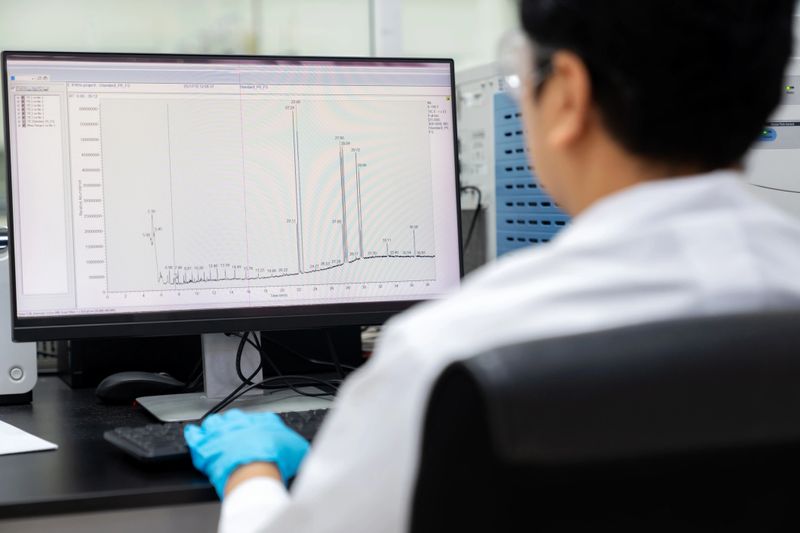
Researchers in lab coat at testing room are meticulously analyzing samples using GC-MS (Gas Chromatography-Mass Spectrometry) equipment. Compare the results with existing library standards, ensuring precision and accuracy in their scientific endeavors.
BPC-157

Known for its regenerative properties, BPC-157 is a highly sought-after peptide for injury recovery and tissue repair.
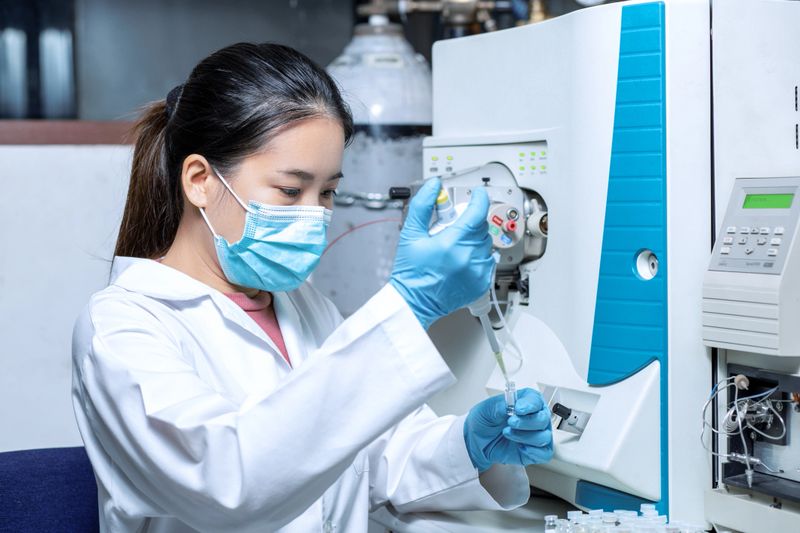
Scientist woman using a micropipette for sample preparation with the vial for Liquid Chromatography mass spectrometry LC-MS analysis in the laboratory. The LC-MS was used for pharmacology, chemistry, and biotechnology.
TB-500

TB-500 enhances healing and recovery, making it essential for researchers exploring therapeutic applications in muscle and tendon injuries.
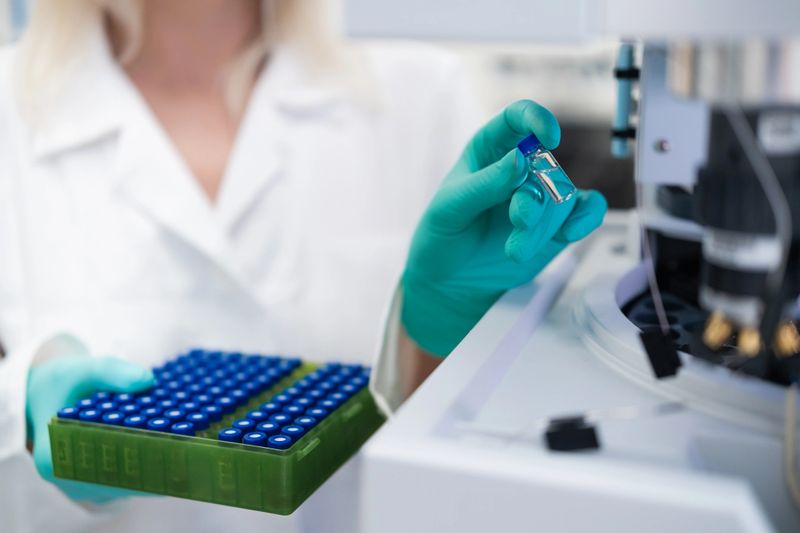
Laboratory researcher wearing protective gloves placing sample vial into high performance liquid chromatography system for chemical and clinical analysis. Concept of pharmaceutical testing, biotechnology, and precision science.
CJC-1295 DAC

A popular growth hormone-releasing peptide, CJC-1295 DAC is pivotal for studies on muscle growth and rejuvenation.

Melanotan II

Melanotan II is a research peptide with potential applications in tanning and appetite control, making it invaluable for dermatological studies.

IGF-1 LR3

IGF-1 LR3 plays a crucial role in muscle growth and recovery, making it essential for peptide-related research.

What Researchers Are Saying About Our High Purity Peptides

VecertLabs' catalog of 99% purity peptides has completely transformed our research capabilities. The quality and consistency of their products give us the confidence we need in our experiments. We've seen significant improvements in our peptide assays since we started using them.
D
Dr. Emily Tran
Lead Research Scientist
Innovative Biopharma
As a peptide synthesis specialist, I rely on high-purity sources for my work. VecertLabs provides unparalleled quality. Their peptides are not only pure but also backed by rigorous testing, which we greatly appreciate in our stringent protocols.
D
Dr. Nathan Lopez
Peptide Chemist
Molecular Dynamics Corp.
We have sourced peptides from various suppliers, but nothing compares to the reliability of VecertLabs. The research-grade quality is evident in our results—it's evident that they take purity seriously. Our collaborations yield better outcomes now, thanks to their superior products.
D
Dr. Sofia Chen
Senior Research Associate
Genetics Solutions LLC
The variety and specificity of peptides available at VecertLabs are impressive. Their detailed catalog allowed us to find exactly what we needed for our ongoing projects. Coupled with their exceptional customer service, they truly set the standard in the peptide research field.
D
Dr. Mark Robinson
Director of Research
Health Innovations Inc.
VecertLabs has been a game-changer in my research on peptide synthesis. Their high-purity peptides not only enhanced the accuracy of my experiments but also significantly reduced the variability in my results. I’ve seen a 30% improvement in my assay reproducibility since using their products. I highly recommend VecertLabs to any serious researcher looking for reliable materials.
D
Dr. Sarah Evans
Senior Research Scientist
Biomedical Innovations Inc.
VecertLabs has consistently provided us with high-purity research-grade peptides that have greatly improved the accuracy of our experimental results. After switching to their products, we noticed a 25% increase in assay reproducibility in our peptide-related studies, which has been crucial for our publications. Their dedication to quality and customer service makes them an invaluable partner for our research team.
D
Dr. Emily Carter
Senior Research Scientist
BioInnovators Inc.
Since switching to VecertLabs for our peptide sourcing, we have significantly improved the consistency and purity of our experimental results. The high-quality peptides have allowed my team to conduct our research with greater confidence and efficiency, leading to a 30% increase in productive assay outputs last quarter. I can confidently say that VecertLabs has become an invaluable partner in our research efforts.
D
Dr. Alice Thompson
Senior Research Scientist
BioInnovate Labs

Research & Compliance Notice

Our laboratories are located in Florida, United States.

All peptides offered on this website are intended strictly for research purposes only. They are not intended for human or animal use, including but not limited to diagnostic, therapeutic, or clinical applications.

Some compounds listed may be non-approved by the U.S. Food and Drug Administration (FDA) and are provided solely as research materials.

By accessing or purchasing from this site, you acknowledge that these products are to be handled and used exclusively by qualified professionals in controlled research settings.